5 Must-Know Machine Coffee Practices For 2023


What Goes On Inside a Machine Coffee Maker?
Enjoying a cup of coffee at home is simple with the use of a coffee maker. The most popular models include an adjustable timer and an integrated grinder.
When you switch on the power, sensors control the heating element which circles the warming plate. It also includes an aluminum water tube that passes through it.
Cold-Water Tube
A machine coffee maker takes the water you put into it and turns it into your cup of coffee. It does this by boiling the water and passing it through a system which creates pressure to push it through a capsule made of ground or soluble product. These machines can run up to 15 bar of pressure, as opposed to coffee percolators, which only operate at one bar.
The reservoir resembles an empty bucket in the bottom of the machine. It is where the water is stored to make your drink. This reservoir has a hole at the bottom. It connects to the tube inside the heating element on one end and to an insulated tube running from the bottom of the machine to the tap on the other.
When you start your machine, the water in the reservoir passes up to the heating chamber and the thermostat tells it to get heated. As the water heats up it expands and presses on a screen underneath a portafilter which has been filled with coffee and reduced. The pressure causes the screen to break through the filter and allow the espresso to pour into your mug.
The espresso that is brewed out of your machine is a rich, delicious coffee that may have different levels of acidity depending on the type of coffee you choose. If your brew is unpleasant Try using another filter or coarsely ground beans. If the problem persists you should make an appointment with an authorized service technician to perform the de-liming procedure to clear out your machine. The problem is usually caused by lime scale.
Hot-Water Tube
The white tube with insulation at the bottom of your machine is the hot-water tubing. It transfers hot water from the heating unit to the faucet that is on the top of the coffee maker. The water is saturating your grounds, bringing their flavor into the pot of coffee you are waiting for.
Certain coffee makers come with features that keep the water warm, so that it's ready as soon as you wake up. This is done using a heater that creates some steam. The steam is then directed into the spout to keep your coffee warm until capable of pouring it.
While it may appear as though a coffee maker is complicated and expensive, most models are quite easy to operate and have very few moving parts. Regular cleaning and maintenance will keep your machine in top condition for many years to come.
Many coffee machines have a built-in coffee grinder which allows you to grind the coffee, lock the portafilter in place, and then flip the switch to begin coffee brewing. The pump will pressurize heated water until it reaches 220 psi pressure when the switch is flipped.
One of the most frustrating things when making coffee is the need refill the reservoir frequently. Some manufacturers have created coffee makers that connect directly to a water line and allow you to eliminate the reservoir completely. There are kits for those who want to do it themselves. They can convert any machine to an espresso maker that connects directly to the household water line. This is a bit more complex and requires drilling holes into your machine to accommodate an adapter. This could weaken the coffee maker's structure and cause cracks in the areas where you've drilled. It's recommended that you purchase a specially-built coffee maker that is specifically designed to accept direct water lines to get the best results.
Resistive Heat Element
The heater is a piece of metal that has a special kind of electrical resistance. It limits current flow but not stopping it completely and some of the energy resisted turns to heat. This is what causes the heating of the water in the boiler of your coffee maker.
The heating element is situated on the left-hand side of machine's base. It looks like the filament of a lightbulb, or the element of an electric toaster. It is made up of an aluminum extrusion having two sections, a tube that allows water to flow through, and the heating element itself that is resistive (Check the video here). coffeee machines in the coiled wire causes it to get hot when it is given energy.
When you switch on your coffee maker, the element begins heating the aluminum water tube until it starts to boil. Then the bubbles float up through the white tube and are sprayed on your ground coffee by the shower head. The water spray absorbs the essential oils of the coffee beans when it descends, and also contains caffeine.
If coffee machine for home is not releasing hot water, it's most likely that the pressure switch or heating element thermostat is defective. Both of these can be tested using a multi-meter conducting a continuity test. Connect one pole to the electrical connector and the second to the body of the flange. It should show an amount that is less than 1. If the reading is not there, then you have to replace the switch or thermostat.
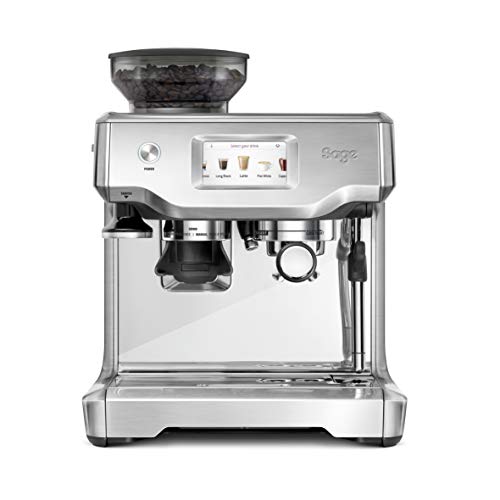
The other main part of your coffee machine that could be the cause of issues is the water pump or your reservoir. It can become clogged with lime, so you will require running water and a descaling agent through it.
Warming Plate
A warming plate is an heated metal surface which keeps the coffee warm after it has been prepared. This coffee maker feature is extremely popular among diner coffee lovers and is also a useful feature for any kitchen at home. However the warming plate can be rusty and sour the flavor of the coffee, making it essential to clean it regularly. The best way to clean a coffee maker heating plate is to use a mix of oxalic acid and water.
Oxalic acid is a powerful cleaning agent that can be used to eliminate rust from pipes, sinks gas stove burners and a variety of other household items. You can buy this product at most hardware stores. It is a great method to clean the rusty warming plates of your coffee makers. This product could cause serious burns and injuries in the event that it is not handled correctly.
If you want to clean a rusted coffee maker heating plate, first make sure the coffee maker has been disconnected. This will prevent damage from the heat generated by cleaning products. It is also recommended to wear gloves made of rubber because the oxalic acid can be extremely harsh on your skin.
Next, pour some white vinegar on the rusty part of the coffee maker's heating plate. This will react chemically with baking soda and dissolve the rust. Then you can use brushes or rags to scrub the area until it's clean. You may have to repeat this procedure several times if the coffee maker is severely rusted. Make sure you wait until the oxalic acid has completely evaporated before plugging the coffee maker in again.
Aluminum Water Tube
The machine will begin to make coffee the moment you turn it on. It may appear simple, but it takes a lot to turn just a few spoonfuls of grounds from coffee and some hot water into a hot beverage.
First, the cold water is inserted through an opening in the reservoir's bottom, and then into the aluminum tube beneath the resistive heating element. The aluminum tube begins to heat up, and when it gets to its boiling point, bubbles begin to form which push the water up the white tube that is located in the middle of your coffee maker.
The hot water sprays through the top of the tube, transforming into the perforated disc that is called the shower head. (Or basket in certain machines). Here the hot water falls over the coffee ground and absorbs its oil essence as it falls.
The water flows through the coffee, and through the filter, it flows back into your pot. The pump's oscillating force is responsible for this. The shearing force exerted by the expanding and contracting bubble boundaries extracts ground coffee particles from the water, resulting in a strong espresso-like beverage.
Be aware that your machine is dependent on many different components. They are all interconnected. Any one of these components that malfunction can impact the entire process, so if you experience strange sounds or vibrations while your machine is operating, check for loose parts. Loose parts can cause noise and may weaken connections, which could result in further problems.